
When the war with Iran began in late February, customers hunting for bargains on designer wares stopped coming to the Outlet Mall Dubai and a saleswoman named Marjorie was forced to go on leave for a month.
Two weeks later, she said, her furlough was extended until June 1 without pay.
“All we do is worry about this situation and think ‘What if they repatriate us?’” Marjorie, a 32-year-old migrant worker from the Philippines, said in a recent interview. “If this continues for three months, maybe we will go back.”
The United Arab Emirates and its major metropolis, Dubai, have been spared much of the destruction and casualties that other countries in the region have suffered in the war. That is thanks largely to the interception of most of the drones and missiles that Iran has fired at it — more than 2,500 — in retaliation for the assault launched by the United States and Israel.
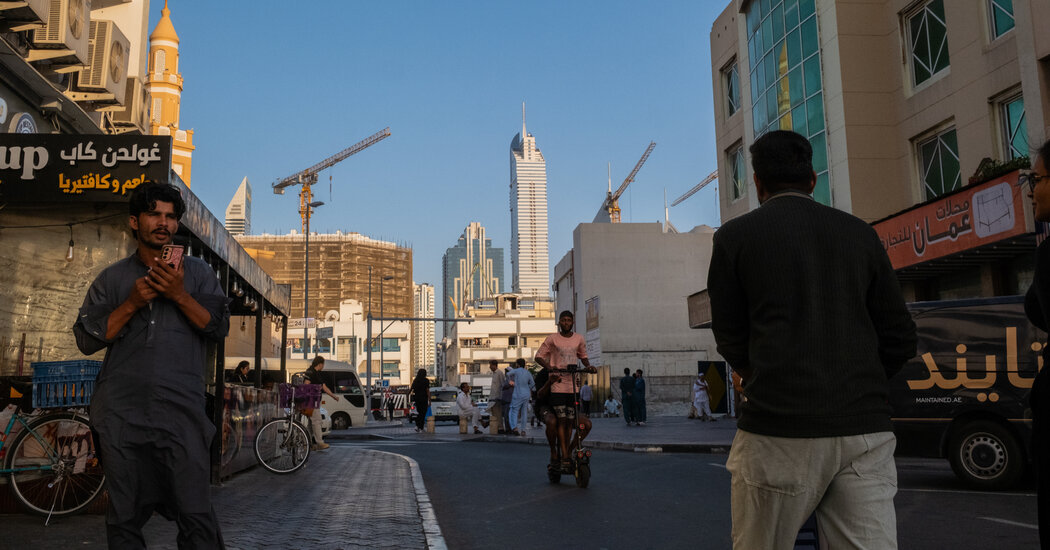
The war has nevertheless taken a toll on the economy in Dubai, one of the major financial powerhouses in the region, and especially on the tourism and hospitality industries. Many expatriate residents have fled the country and tourists have largely stayed away.
Now, five-star hotels sit mostly empty and big events such as an art fair and book fair have been postponed. On a recent Sunday night, the Dubai International Airport, one of the world’s busiest, was nearly empty. All restaurants and coffee shops in the terminal were closed.
Thank you for your patience while we verify access. If you are in Reader mode please exit and log into your Times account, or subscribe for all of The Times.
Thank you for your patience while we verify access.
Fuente original: NYT World